What is the Injection Molding Process? A Comprehensive Guide
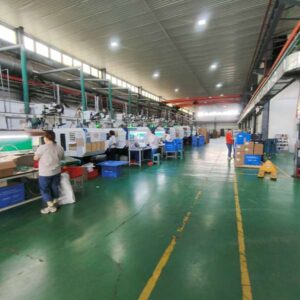
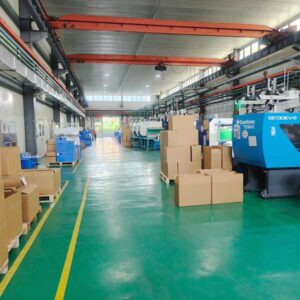
Injection molding is one of the most widely used manufacturing processes in modern industries. It’s a highly versatile technique used for producing complex parts across a variety of materials, from engineering plastics to advanced elastomers. As a leading china mold manufacturer, Tianjin TXS Technology Co., Ltd. (TXS) brings over 20 years of precision tooling and molding expertise to simplify this complex process.
In this comprehensive guide, we’ll explain the injection molding process step by step, highlight its key benefits, and demonstrate why it is critical for high-tier sectors such as automotive, medical devices, consumer electronics, and smart home appliances.
1. What is Injection Molding?
Injection molding is a highly efficient manufacturing process used to create parts by injecting molten material into a precision-engineered tool or mold cavity. While applicable to metals, glass, and elastomers, it is exceptionally popular for custom plastic components. The process allows a reliable china mold factory to achieve rapid production of mass quantities of identical parts featuring intricate details, tight tolerances, and uniform mechanical properties.
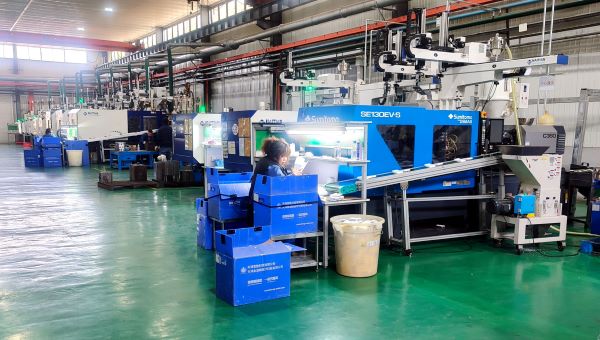
2. The Injection Molding Process:A Step-by-Step Overview2.
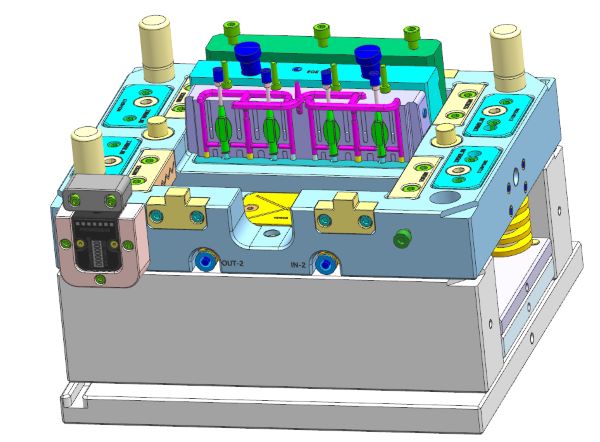
1: Tooling Design and DFM Simulation Before cutting any steel, a precision mold must be meticulously designed.
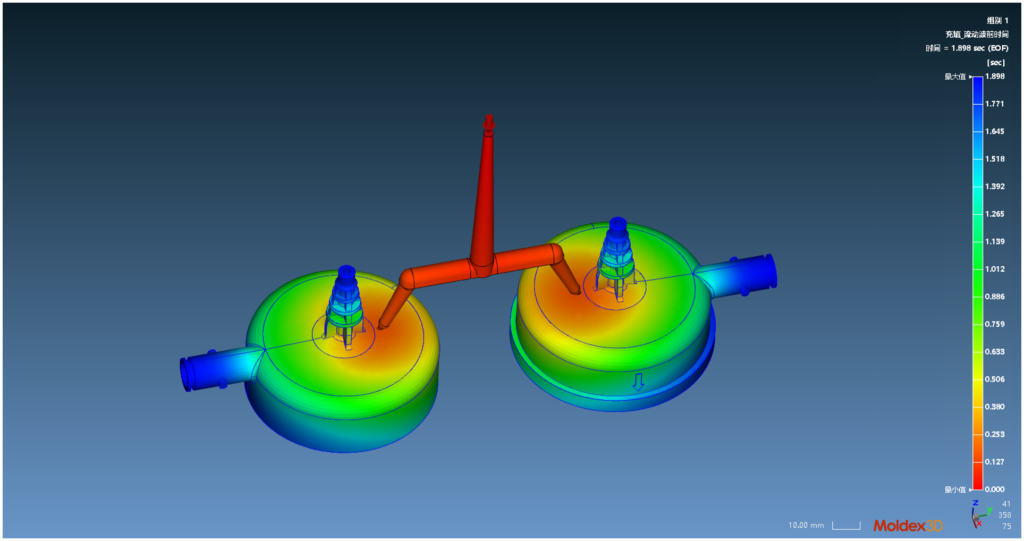
Molds are typically divided into two sides: the cavity (stationary side) and the core (moving side). At TXS, we utilize advanced Moldex3D CAE mold flow simulation to analyze Fill + Pack + Warp phases upfront. This allows our engineering team to optimize wall thicknesses, gate positions, and cooling lines, eliminating potential production risks like weld lines, air traps, and product warpage before tool machining begins.
2: Advanced Material
Selection Material choice directly determines the final product’s performance and scenario requirements. Beyond commodity polymers like Polypropylene (PP), Polystyrene (PS), and Polyethylene (PE), high-precision applications demand specialized engineering plastics:
Smart Home Appliances & 3C Electronics: High-impact ABS, Polycarbonate (PC), and PC+ABS blends for humidifier shells, charger housings, or smart watch frames.
Medical Devices: Biocompatible or high-temperature resistant polymers like PEEK and PLA.
3: Melting and Plasticization
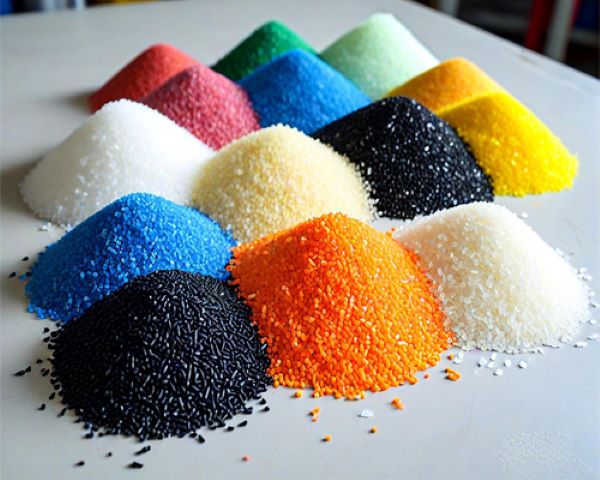
Raw plastic pellets are fed into the hopper of the injection molding machine and enter a heated barrel.
Inside, a reciprocating screw conveys the material forward.
The combination of external heating bands and mechanical shear stress melts the plastic into a uniform, highly fluid molten state.
4: High-Pressure Material Injection
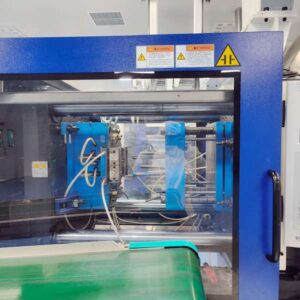
Once fully melted, the screw acts as a ram, injecting the molten plastic through the nozzle into the clamped mold cavity under immense pressure. As a premier mold manufacturer in china, TXS precisely controls real-time parameters such as melt temperature, injection speed, and cavity pressure to ensure the material completely fills every intricate section of the cavity without creating air pockets or flash.
5: Optimized Cooling
After filling the mold cavity, holding pressure is applied to compensate for material shrinkage.
Cooling channels embedded inside the mold circulate liquid to lower the temperature of the polymer.
Optimized cooling lines ensure uniform thermal distribution, which is key to avoiding internal stresses and structural deformation.
6: Automated Mold Opening and Ejection
Once the part solidifies, the moving platen opens the mold.
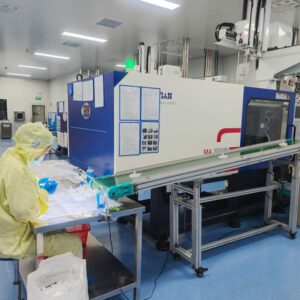
Automated ejector pins or stripping plates push the finished plastic component out of the core side. TXS utilizes automated robotic arms for part extraction.
This minimizes human contact, drastically reducing potential surface defects and contamination—a necessity for cleanroom medical device production.
7: Post-Processing & Metrology
Verification After ejection, parts may undergo secondary operations like trimming runner gates, ultrasonic welding, laser engraving, or pad printing.
Crucially, top-tier quality requires dimensional verification. TXS operates an advanced metrology lab equipped with Swedish Hexagon Coordinate Measuring Machines (CMM), high-precision vision measuring instruments, and 3D scanners to conduct full-dimensional layout inspections, ensuring every component meets exact assembly tolerances.
3. Core Technical Advantages of High-Precision Injection Molding
For global enterprises seeking a reliable mold maker china, injection molding provides several distinct manufacturing advantages:
Sub-Micron Precision & Consistency: Leveraging state-of-the-art Digital Fitter Technology—which bridges traditional craftsmanship with digital CAD/CAM workflows—modern shops can achieve tooling dimensional tolerances within 0.005mm, eliminating mechanical interferences.
Exceptional Cost-Effectiveness: While the upfront investment in custom injection molds is significant, the per-part cost decreases drastically during high-volume production runs.
Unmatched Design Flexibility: The process seamlessly accommodates complex undercuts, deep structural ribs, insert molding, and multi-shot (two-color) molding.
Sustainability & Low Waste: Excess material from sprues and runners can often be reground and recycled, making it a highly resource-efficient process.
4. Key Application Fields for Injection Molded Components
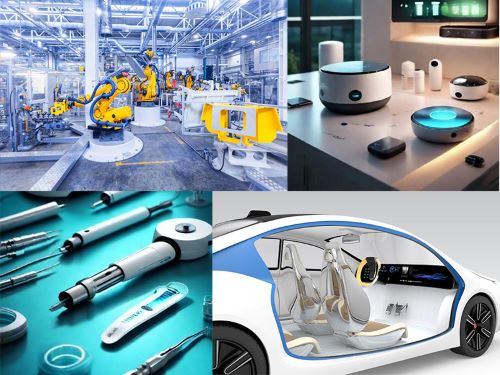
Automotive Sector: Structural components demanding zero-defect tolerance, such as instrument panels, bumpers, and complex automotive seat components.
Medical Devices & Life Sciences: High-precision components requiring extreme compliance and ISO 13485-certified environments, including syringes, blood pumps, and IVD diagnostic housings.
Smart Home Appliances: Intricate, aesthetically flawless housings for robot vacuums, air purifiers, and smart door locks.
Consumer Electronics: Durable, lightweight middle-frames and enclosures for smartphones, laptops, and smart wearables.
5. Why Partner with TXS for Your Plastic Mold in China?
If you are evaluating a best mold maker in china, Tianjin TXS Technology Co., Ltd. (TXS) offers a one-stop contract manufacturing platform tailored to global quality requirements:
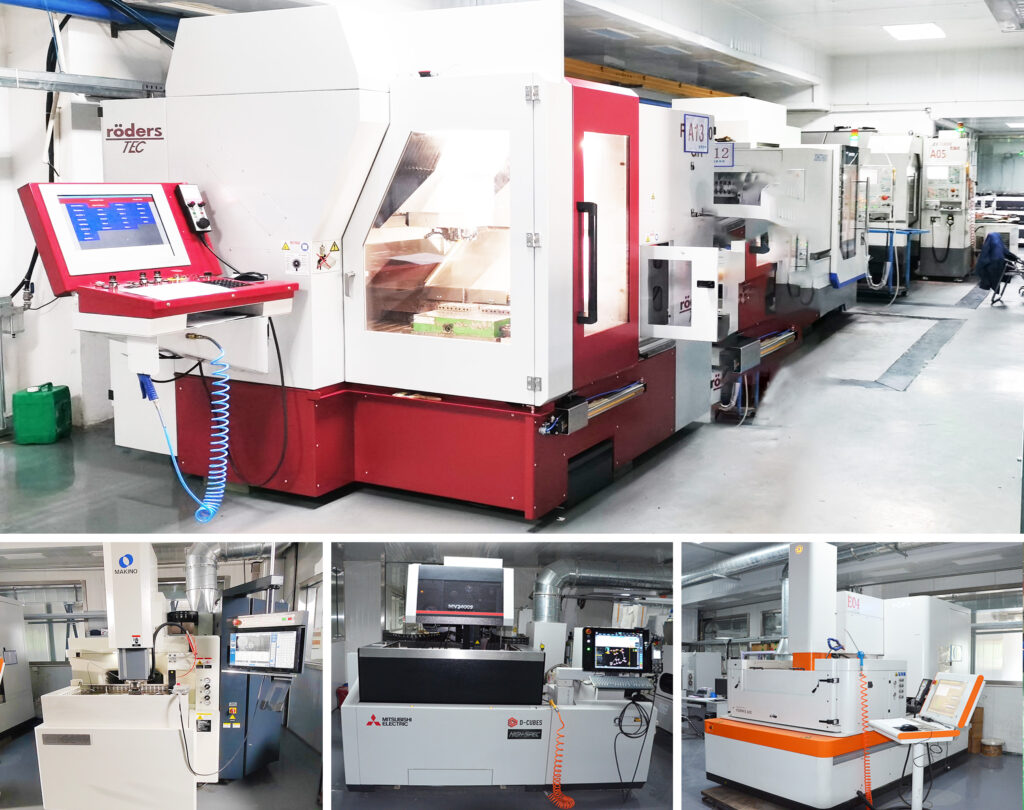
World-Class Machining Equipment: Our toolroom features cutting-edge hardware from Germany, Japan, and Switzerland—including Röders High-Speed CNC machining centers and Makino mirror EDM machines.
Global Compliance Certifications:
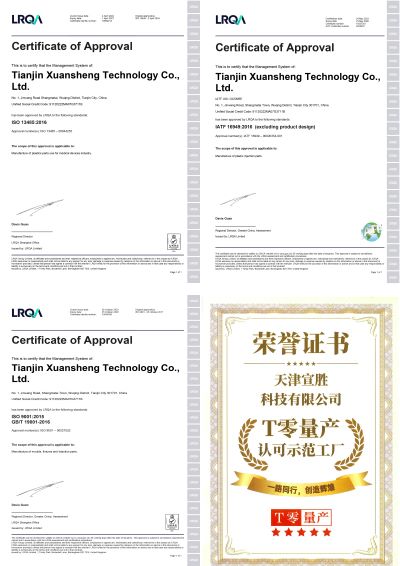
We protect your supply chain legitimacy with international certifications across multiple industries:
Medical Devices: LRQA: ISO 13485
Automotive Components: LRQA: IATF 16949
General Manufacturing: LRQA: ISO 9001
Advanced Digital Fitter Workflow: By utilizing 3D blue-light scanning and Color Tolerance Management (CTM), we translate manual tuning into repeatable digital parameters, maximizing T-Zero mass production success.
On-Time Delivery & Rapid Technical Support: Backed by a robust digital ERP system, we maintain a 98%+ on-time delivery rate and implement a 4-Hour Engineering Action Protocol for all tool modification or process adjustment needs.
6. Conclusion
Injection molding is a powerful,highly scalable manufacturing process vital for modern product design. Whether you are launching components for medical, automotive, or smart consumer tech, choosing the right china mould company is critical to your product’s structural integrity and speed-to-market. Ready to bring your next product concept to life? Contact TXS today for expert Design for Manufacturing (DFM) feedback and a competitive injection molding quotation.