
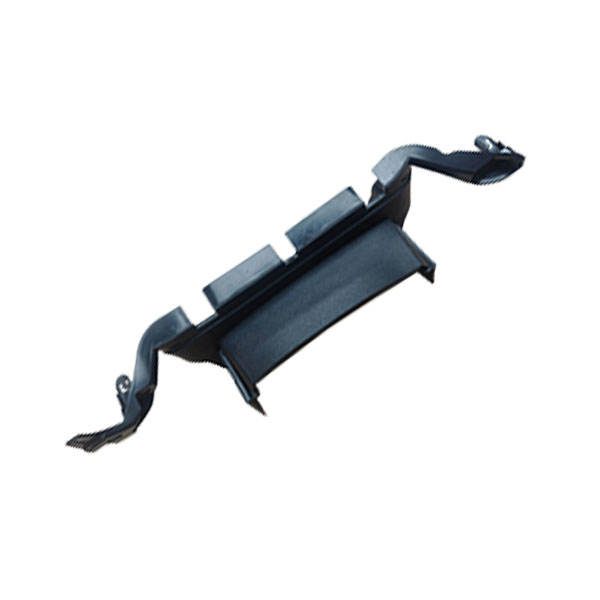
For global Tier-1 automotive interior and structural suppliers, manufacturing aesthetic dual-color (2K) multi-material components with dense internal features represents a rigorous manufacturing bottleneck. As an elite vendor in plastic mold china, our tooling division has successfully engineered a sophisticated two-shot injection tool for an automotive dashboard bracket covering component (PC+ABS + TPS, 106 * 365 * 106mm). Featuring a tight cluster of internal undercuts and multiple required side action vectors, this china automotive mould utilizes an engineered slide relocation methodology to resolve multi-stage kinematic conflict, achieving direct mass-production buy-off at its T2 trial phase.
Automotive dashboard components demand seamless material interfaces and pristine surface cosmetics, free from weld lines or flash. For a structural trim part using a rigid substrate (PC+ABS) encapsulated with a soft elastomeric overmold (TPS), the primary engineering barrier is geometric constraint. Because the rigid component is indexed into the second cavity, its numerous pre-formed internal undercuts and external features are highly susceptible to physical interference with the secondary shot’s steel core and slide actions.
Standard single-plane mechanical slides operating on the stationary side (cavity side) face massive structural clearance restrictions during tool rotation or index cycles. If slide positioning fails to clear the substrate during core movement, catastrophic mechanical collisions, tool galling, or severe shear stress tearing along the dual-material bond line will occur. Balancing dynamic dimensional profiles, preventing flash at the flexible TPS borders, and fitting multi-directional side-action sliders within a compact tool frame remain critical sector challenges for high precision mold builders.
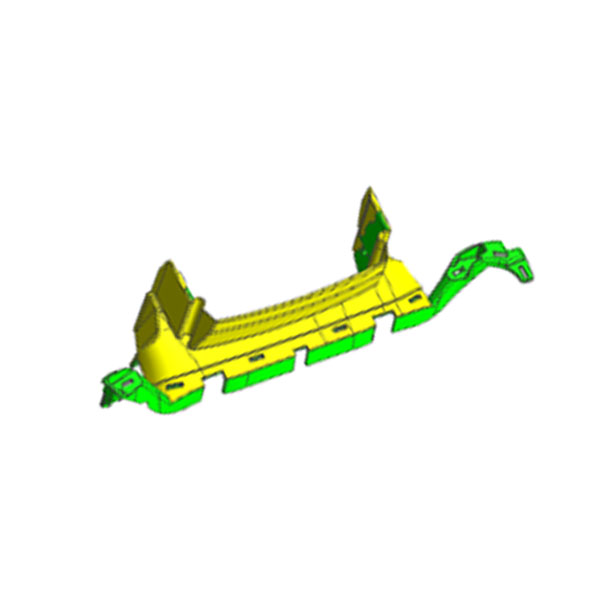
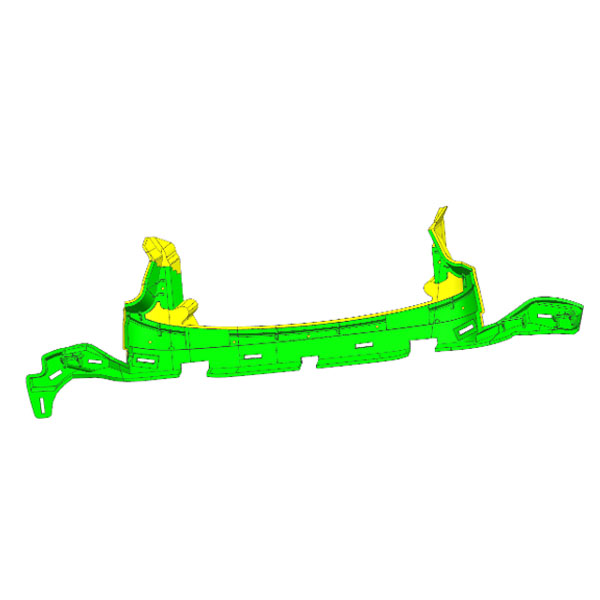
To secure flawless structural bonding and maintain our reputation as a premier china mold manufacturer, our engineering division introduced a highly specialized technical framework:
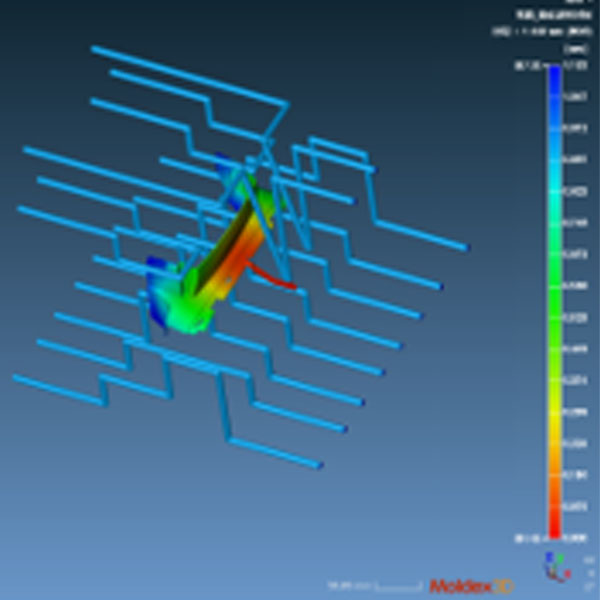
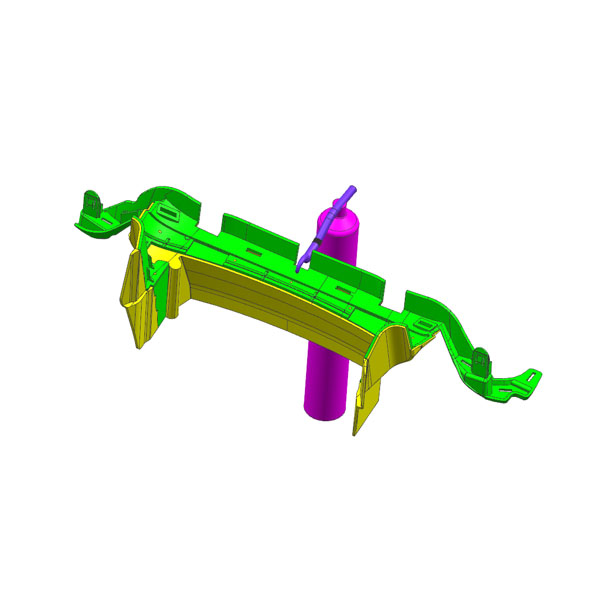
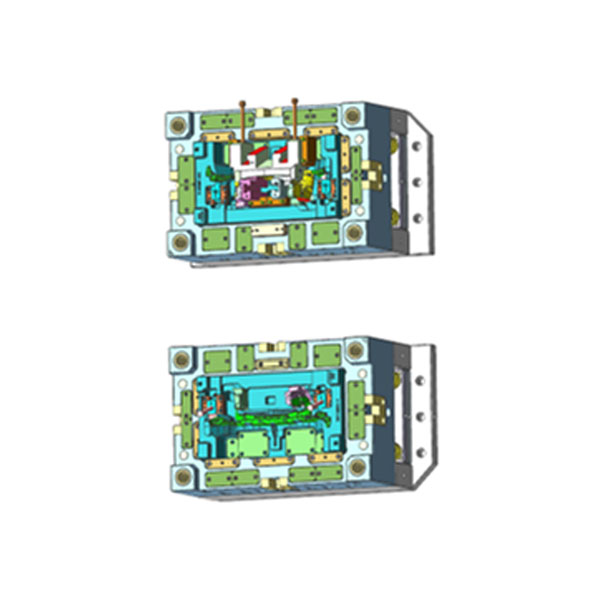
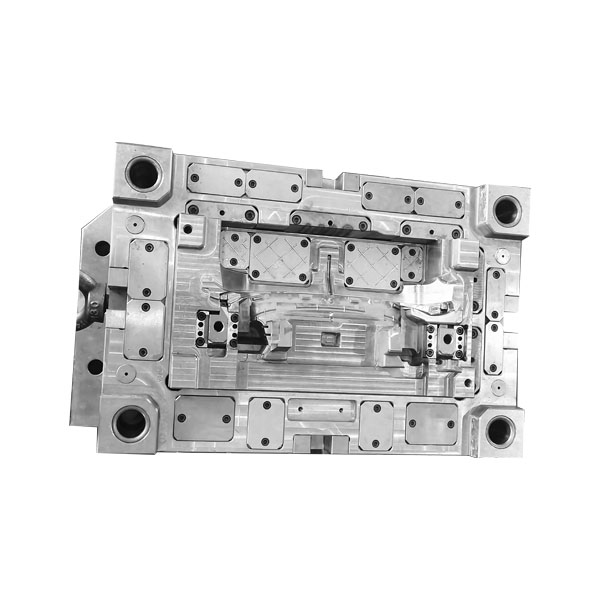
We distinguish our operations in the global best mold maker in china sector by marrying advanced mechanical engineering with tight manufacturing tolerances:
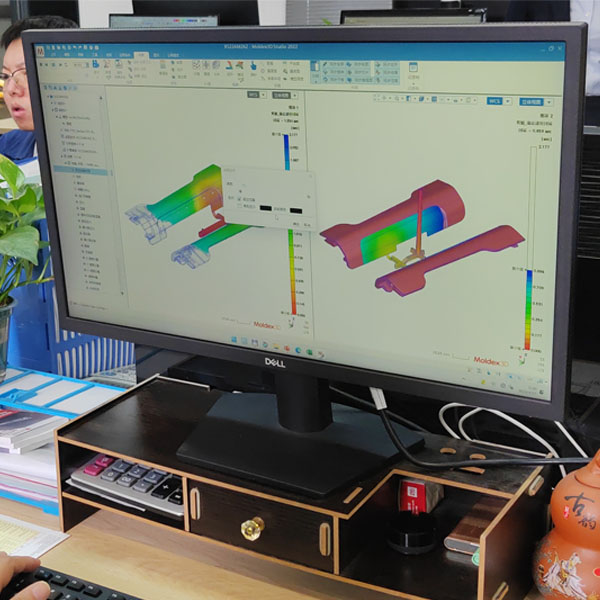
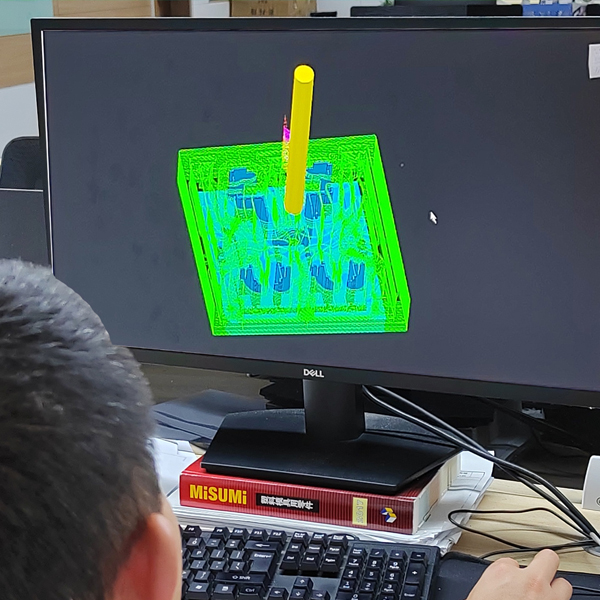
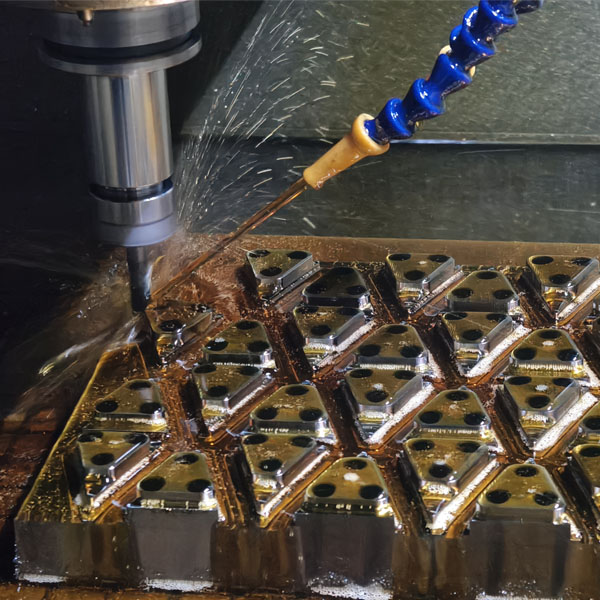
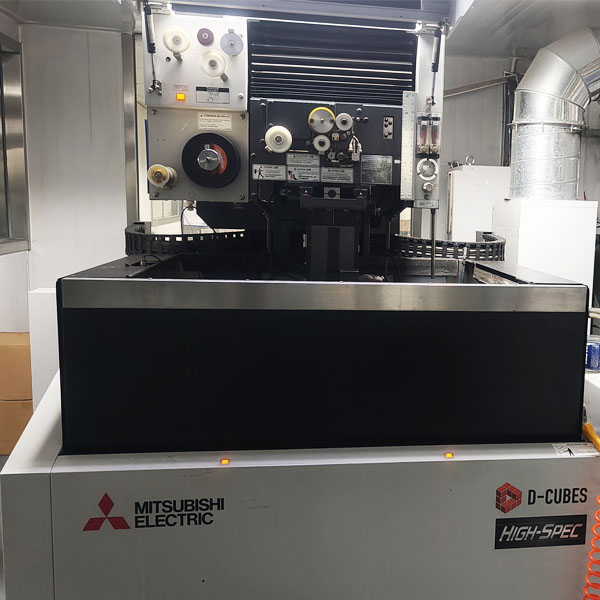
The verified dashboard brackets demonstrated high bond strength between the substrate and elastomer, uniform material thickness, and perfect dimensional replication. By validating this high-tier tool within a compressed T2 window, we demonstrated the technical engineering capability required of a premium china mold manufacturer, solidifying long-term strategic programs for our client’s global vehicle platforms.
High-Precision Injection Molding & Mold Manufacturing - One-Stop Custom Solutions
Hello, This is Isabella from TXS-Mold, How can I assist you today?
Chat with us on WhatsApp。
🟢 Online | Privacy policy